This dictionary brings together the knowledge of Mawng speakers and their ancestors. It includes words that people use every day, for example, to call out to their sister, or name a fish that they have caught. The dictionary also includes many words that are not used much anymore, such as the names of fighting spears. If you cannot find the word you are looking for, read the explanation of how Mawng is spelled and how Mawng words can change shape. Only one shape, or form, of each word is listed in the dictionary. The dictionary also has an English finder list that you can use to find Mawng words.
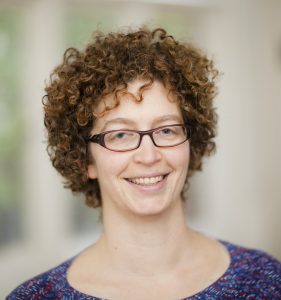
Mawng people have been working on this dictionary for over 50 years. Peggy Mirwuma and Phillip Ambidjambidj worked with missionary linguist Heather Hewett on the first Mawng dictionary (1964–1979). That dictionary was printed at Warruwi School for students to use as part of the Mawng–English bilingual program (1973–2000). Linguist Anne Fabricius expanded the dictionary in collaboration with Mawng speakers at Warruwi (1990–1992). She created the first electronic version of the dictionary, which was archived with AIATSIS in 1990. Since 2002, linguist Ruth Singer has expanded and edited the electronic dictionary file in collaboration with Nita Garidjalalug, Rosemary Urabadi and others at Warruwi Community (2002–present). It was first published online in 2015 as the Mawng Dictionary 1.0. If you find mistakes in this dictionary or have suggestions for new words, please contact Ruth Singer or email [email protected].
The authors whose names are on the front of the book version of the dictionary include four Mawng Elders, experts in language and linguistics, and the other three linguists who worked with them to make the dictionary. Together, they added words to the dictionary. They spent a long time talking about each word; how to spell it, how it can be used and its meanings. The Mawng Elders also created many of the example sentences found in the dictionary. Other example sentences have been taken from recordings and school books in Mawng. Many Mawng people worked with Ruth Singer on the dictionary (2002–2020). These include Rachel Meiyinbara, Frank Nabalameiri, Paul Milaidjaidj, Ralph Gumurdul, Ilijili Lamilami and Elijah Apurriyarnka. Elders Jenny Manmurulu, Nancy Ngalmindjalmag, Jenny Inmulugulu, Johnny Namayiwa, Billy Nawaloinba and Bunug Galaminda also provided important support for research on Mawng (2002–2020). The work of arrarrkpi (Indigenous people) in the school, church, out bush and everywhere has kept the Mawng language going.

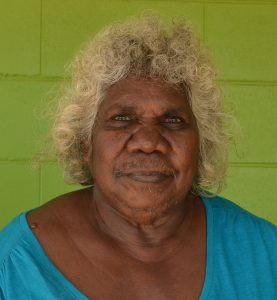
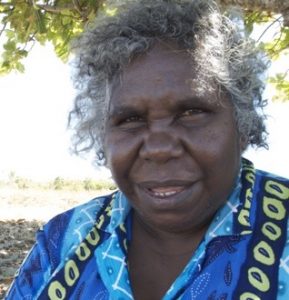 Rosemary Urabadi is a recognised expert on the Mawng language. She trained in linguistics at Batchelor Institute and worked at the literature production centre at Warruwi School during the bilingual education period, teaching Mawng literacy, writing books in Mawng and recording the knowledge of Elders. She has worked with linguists Heather Hewett, Anne Fabricius and Ruth Singer and taught Ruth Singer how to spell Mawng words when she started work on Mawng. Rosemary Urabadi researched Kunteypi kin terms in the community so they could be included in the dictionary. She was also one the translators of the Mawng Gospel of St Mark (2016).
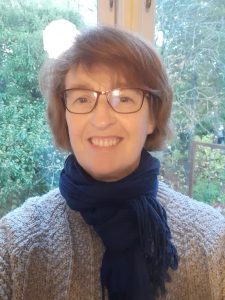
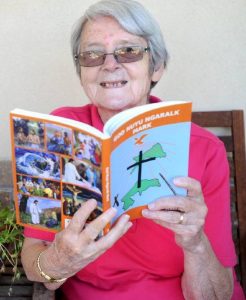 Heather Hewett (née Hinch) arrived at Warruwi in 1952 as a missionary nurse and is still known at Warruwi as Larla Hinch (Sister Hinch). She learned to speak Mawng to be able to provide better care for her patients. Later, she studied linguistics with the Summer Institute of Linguistics and linguist Arthur Capell. She compiled the first version of this dictionary and produced many other valuable resources on the Mawng language. She was instrumental in the establishment of the Mawng–English bilingual program at Warruwi School (1973–2000) and continued to support the program after she left Warruwi in 1979. She returned to Warruwi in her eighties to help translate the Gospel of St Mark (2016).